







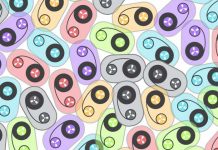

Scientists have discovered seven species that whose presence in elevated levels can increase the chance of HIV infection. The findings, published online in the journal Lancet Infectious illnesses, add advantage to an expanding body of proof the makeup of bacterial tissues in the uterus, both the vaginal microbiome, may grow or decrease HIV risk for women, based on which bacteria are present.
The answers are derived from statistics collected from six American nations by AIDS researchers for many years. The research could result in a better comprehension of how biological conditions may boost disease from herpes that could cause acquired immune deficiency syndrome or AIDS, as well as perhaps offer you targets for upcoming prevention research, ” said the senior author of this study David Fredricks, a physician-scientist in Fred Hutchinson Cancer Research Center in Seattle, Washington.
These indications are crucial in Africa, where women account for 56 percent of new HIV infections. From seven bacterial species linked to hazard, the most conspicuous of them will be Parvimonas kind yet another ordinary bug, 1 not considered worrisome. However, the investigators found that females taking high concentrations of that bug had substantially higher odds, 4.6 to one of becoming HIV than those who didn’t. The study also showed that the odds of HIV infection increased as concentrations of that bacterium grown.
Biologists call this a “dose-dependent reaction” the more bugs, the more chance of HIV infection. Five additional species needed a dose reaction. “If we see that the dose-response outcome, it will increase our assurance that this is true,” Fredricks tells about the study. Africa was carried out in by collecting the information required a collaboration involving 5 of the largest scientific studies of HIV risk.
It involved consuming clinical screening of sitemap samples and also of 262 who failed to, and analysis. The outcomes were persistent throughout Africa, also among three different kinds of women at high risk of HIV disease: sex workers, grown-up women, and those who were HIV unwanted but had middle-aged male spouses.